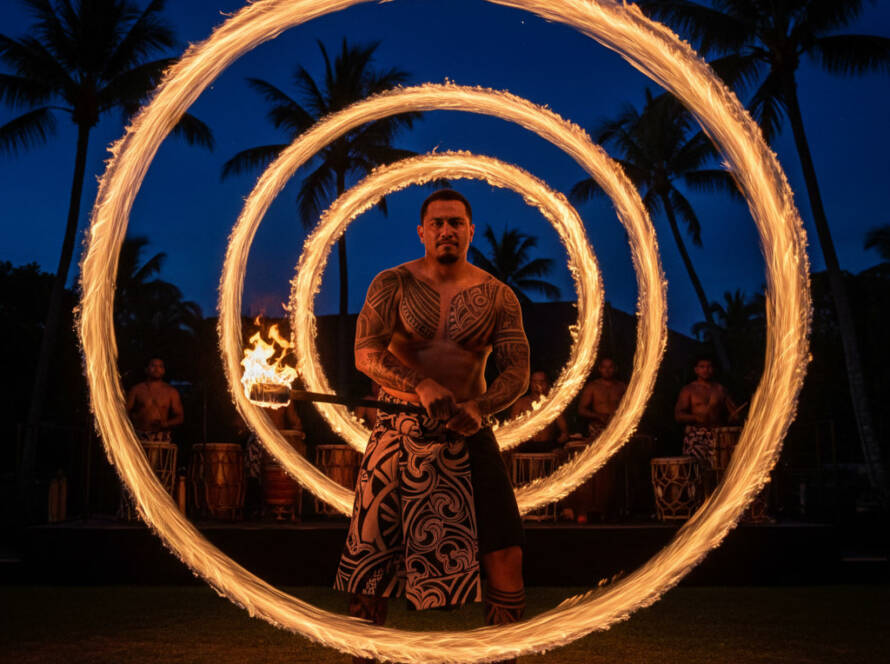
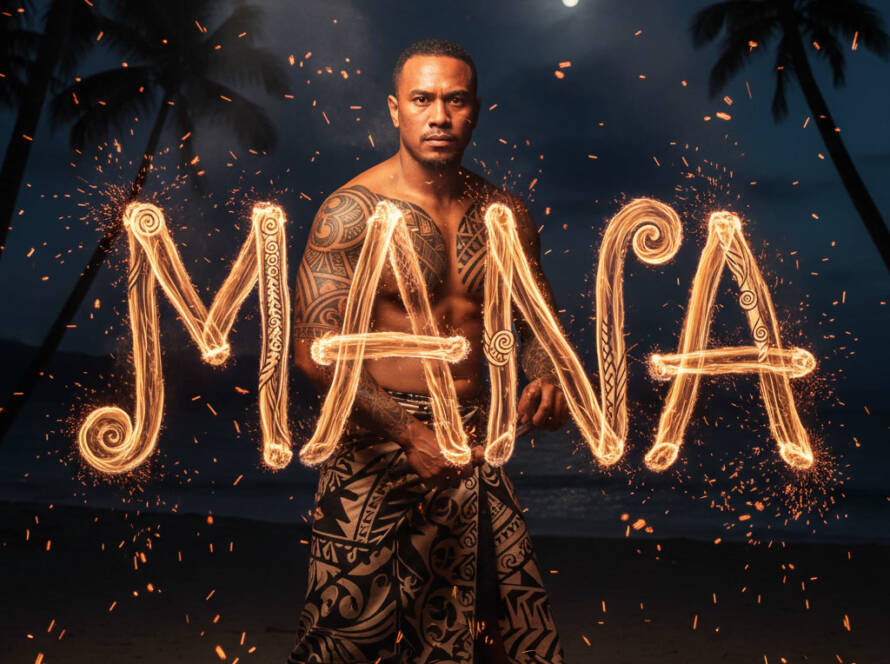
Fire knife dancing is so visually intense that many people see only the flames and the stunts. Beneath the spectacle, however, lies a rich layer of symbolism rooted in Samoan warrior culture. Each spin, toss, and stance in Siva Afi can carry meanings connected to courage, discipline, and respect. Understanding those meanings deepens appreciation for what performers like the team at Mana Fire Knives bring to the stage.
Warrior Origins and Cultural Meaning
The origins of fire knife dancing in ailao are the first clue to its symbolism. In ailao, warriors displayed mastery over the nifo oti, a hooked weapon edged with shark or other fish teeth, by twirling and manipulating it in front of chiefs and communities. This was both practice for battle and a statement of readiness and loyalty. When fire was added to the knife, the symbolism intensified: the warrior now demonstrated control not only over a weapon, but over a dangerous natural force.
Speed, Control, and Awareness
Fast, continuous spins often represent alertness and preparedness. A dancer who can maintain high-speed rotations close to the body without being burned shows precision and focus. Sudden pauses and directional changes can symbolize shifts in battle or the ability to adapt quickly to challenges. For audiences, these patterns create tension and release, mirroring the emotional arc of facing and overcoming danger.
Throws, Catches, and Courage
Aerial throws and complex catches speak directly to bravery and trust in one’s skill. When a performer launches a flaming knife high into the air and catches it behind the back or between the legs, they are demonstrating absolute commitment to technique and timing. In a cultural sense, this can be seen as a public declaration: the dancer is willing to risk much to honor ancestors and entertain the community. The roar of the crowd acknowledges that courage.
Posture, Expression, and Presence
Stances and facial expressions add another layer. Many fire knife performances use low, grounded positions, wide stances, and intense gazes that evoke the presence of a warrior on the battlefield. Shouts, chants, or calls during the routine can invoke village pride, challenge rivals, or celebrate victories. Even when performed in modern venues such as luaus or tourist shows, these elements connect the dance to its origins.
The Symbolism of Fire
The fire itself has multiple symbolic dimensions. In many Pacific cultures, fire can represent life, transformation, and the boundary between the seen and unseen worlds. A dancer surrounded by circles of flame can be viewed as someone moving between those realms, carrying stories and energy from the past into the present. The risk of burns or mishaps underscores that this power must be treated with respect, not taken lightly.
Tattoos, Costuming, and Identity
Costuming and tattoos often carry personal and family symbols. Samoan tattoo traditions, including peʻa and malu, can signify identity, responsibility, and service. When a tattooed performer steps into the fire, they are not just an individual artist, but a representative of family, village, and cultural lineage. Their movements become a living expression of those commitments.
Storytelling Through Movement
Mana Fire Knives integrates these layers of meaning into its performances, not treating fire knife dancing as a random collection of tricks but as a cultural story told through movement. Each performer brings personal experiences and teachings from elders or mentors, shaping how they interpret specific moves and moments in a routine. On stage, audiences may simply feel the intensity; on a deeper level, they are witnessing a dialogue between past and present.
Learning the Stories Behind the Flames
For those who want to go beyond the surface and learn what the dance means to the people actually performing it, the Mana Fire Knives About page is a key resource. There, readers can meet the dancers, understand their backgrounds, and see how symbolism, family, and cultural responsibility guide the way they move with the fire. Knowing that story makes each spin and flame-lit shout all the more powerful.