Many people use the phrase “Polynesian fire dancing” to describe any performance with flames, but not all fire shows are the same. Within the broader world of Polynesian arts, Samoan Siva Afi—fire knife dancing—stands out as a unique warrior-based tradition. Comparing it with other styles helps audiences understand what they are seeing on stage and why it matters to hire groups who know the difference.
The Warrior Foundation of Siva Afi
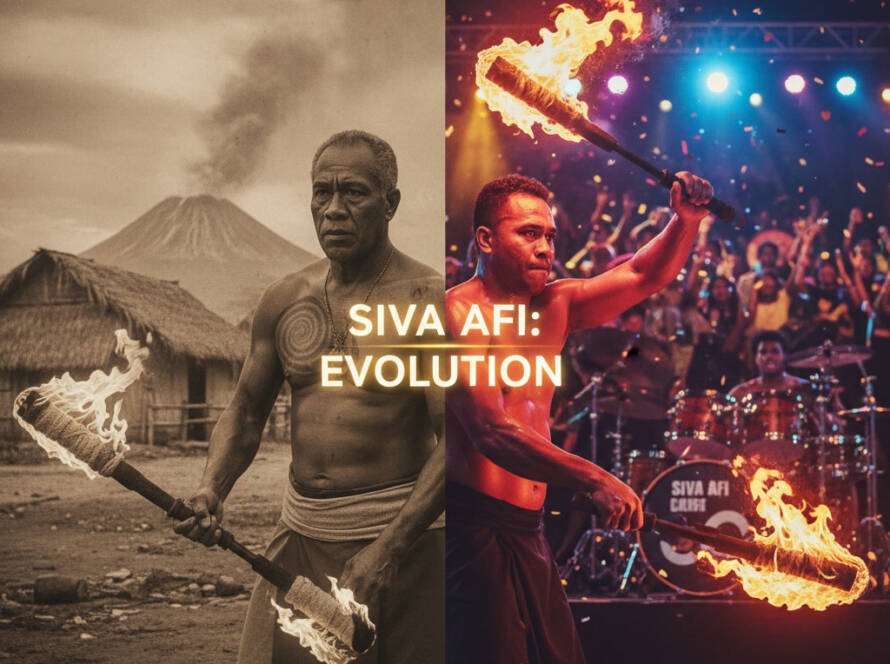
The heart of Siva Afi is the knife. Historically, this was the nifo oti, a serrated war club or knife used by Samoan warriors and celebrated in ailao, an exhibition of combat skill and courage. When fire was added in the 20th century, performers wrapped the ends of blades or rods with towels or wicking material, soaked them in fuel, and lit them, creating the modern fire knife. The dance involves fast, aggressive spins, throws, catches, and sometimes acrobatic flips that embody the spirit of a warrior stepping into danger.
Fire Poi and Fire Staff Traditions
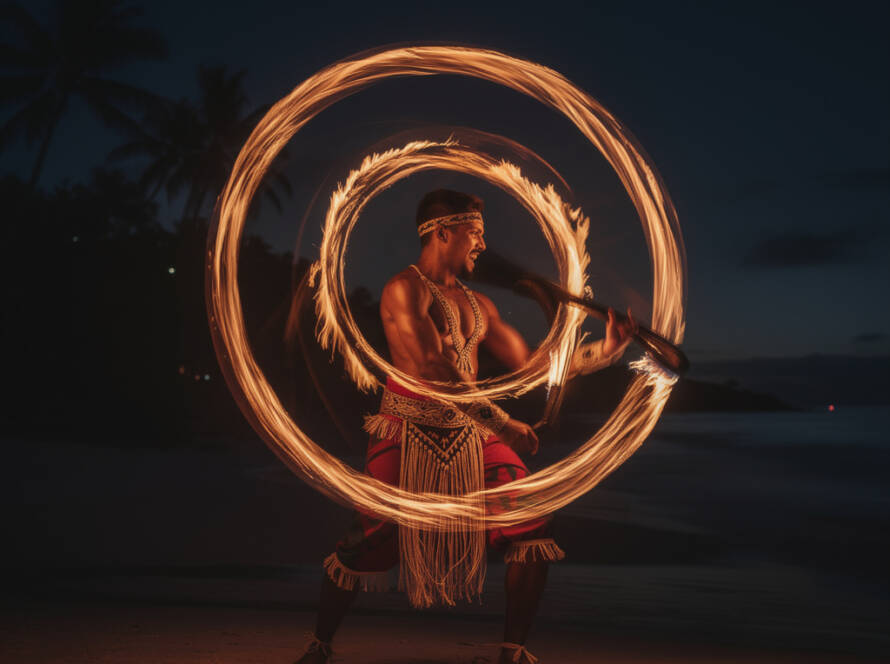
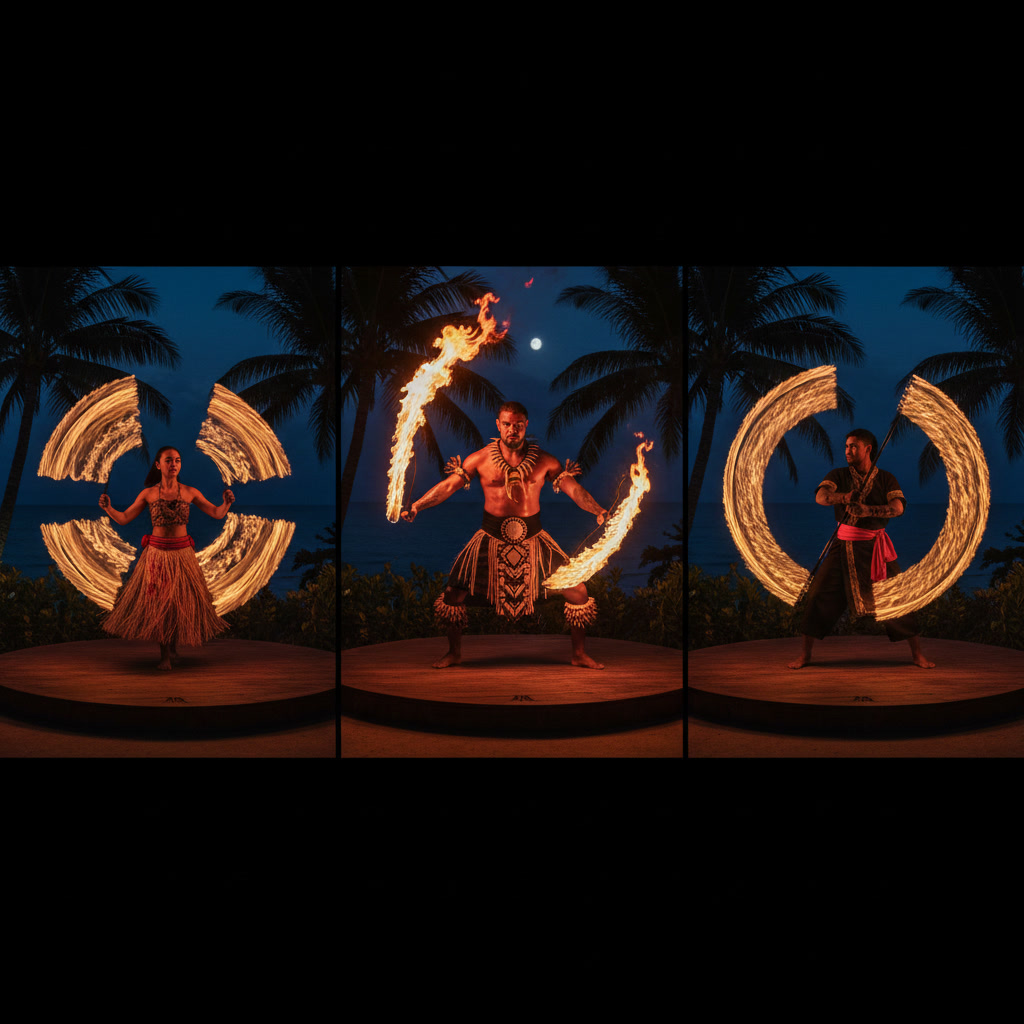
Other Polynesian fire dances use different tools and emphasize different aesthetics. Fire poi, widely associated with Hawaiian and Māori-influenced performance, uses two chains with weighted, flaming ends swung in intricate patterns around the body. Fire staff features a long rod with flames at one or both ends, spun around the arms, torso, and head in fluid or martial patterns. While all of these forms can share rhythm and energy, the feeling of a spinning knife—rooted in a weapon, not just a prop—is distinct.
Mixed Fire Shows and Cultural Clarity
In many commercial luaus and resort shows, these styles are combined into a single segment advertised as “fire dancing.” Audiences might see poi, staff, and knife in the same sequence, accompanied by drums and cheering. This can be exciting, but it can also blur cultural lines when a show does not clearly explain which traditions come from where, and what they mean. For Samoans and dedicated fire knife practitioners, keeping Siva Afi properly identified and respected is important.
Movement, Energy, and Storytelling Differences
There are also differences in posture, energy, and storytelling. Siva Afi often has an intense, warrior-like presence, with low stances, shouts, and explosive bursts of speed that evoke victory in battle. Some other Polynesian fire arts favor more flowing, dance-like movements, though they can still be highly athletic. Understanding these distinctions helps audiences appreciate the specific cultural background of the performers on stage.
Why Authenticity Matters for Events
For event planners or cultural organizations, this knowledge has practical value. If the goal is to showcase Samoan culture, hiring a dedicated fire knife team that specializes in Siva Afi—rather than a generic fire troupe—is essential. Authentic Samoan fire knife groups bring not only the techniques but also the stories, protocols, and respect that come with the tradition. They can explain the origins of the dance, the meaning behind certain movements, and how their training connects to their communities.
Mana Fire Knives and Cultural Focus
Mana Fire Knives is positioned firmly in this space. The group focuses on Samoan fire knife dancing, drawing from the warrior history of ailao and the modern evolution of Siva Afi rather than mixing together unrelated styles. By doing so, they offer audiences a clear, authentic expression of Samoan fire knife art, even when performing alongside other Polynesian acts.
Learning More About the Performers
For anyone curious about who is holding the knife, where they learned, and what the dance means to them personally, the Mana Fire Knives About page provides those answers. It introduces the performers, their backgrounds, and their shared commitment to honoring Samoan culture while delivering unforgettable fire shows. That deeper understanding transforms “a fire dance” into a meaningful encounter with an art form that has traveled from ancient warriors to today’s stages without losing its soul.