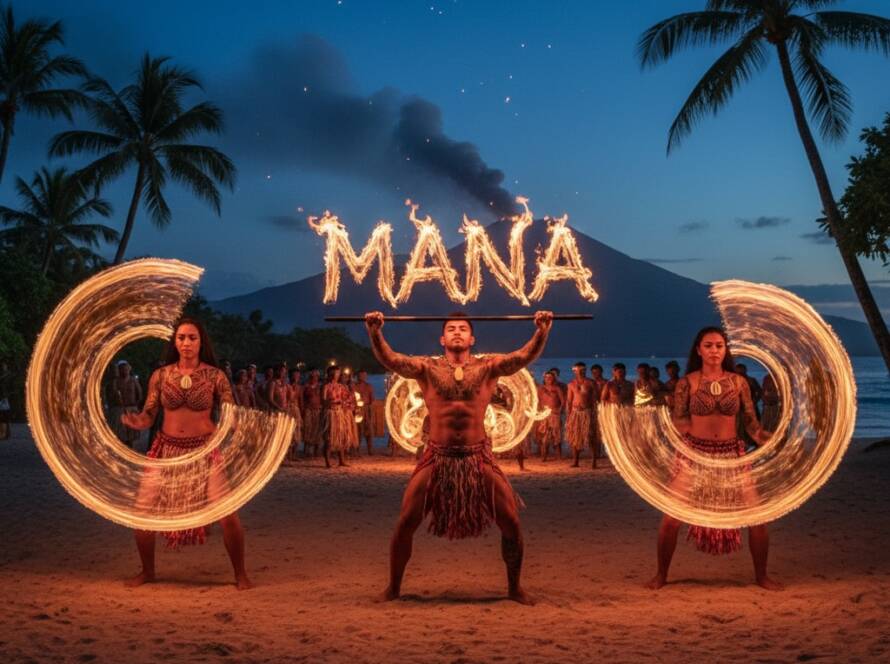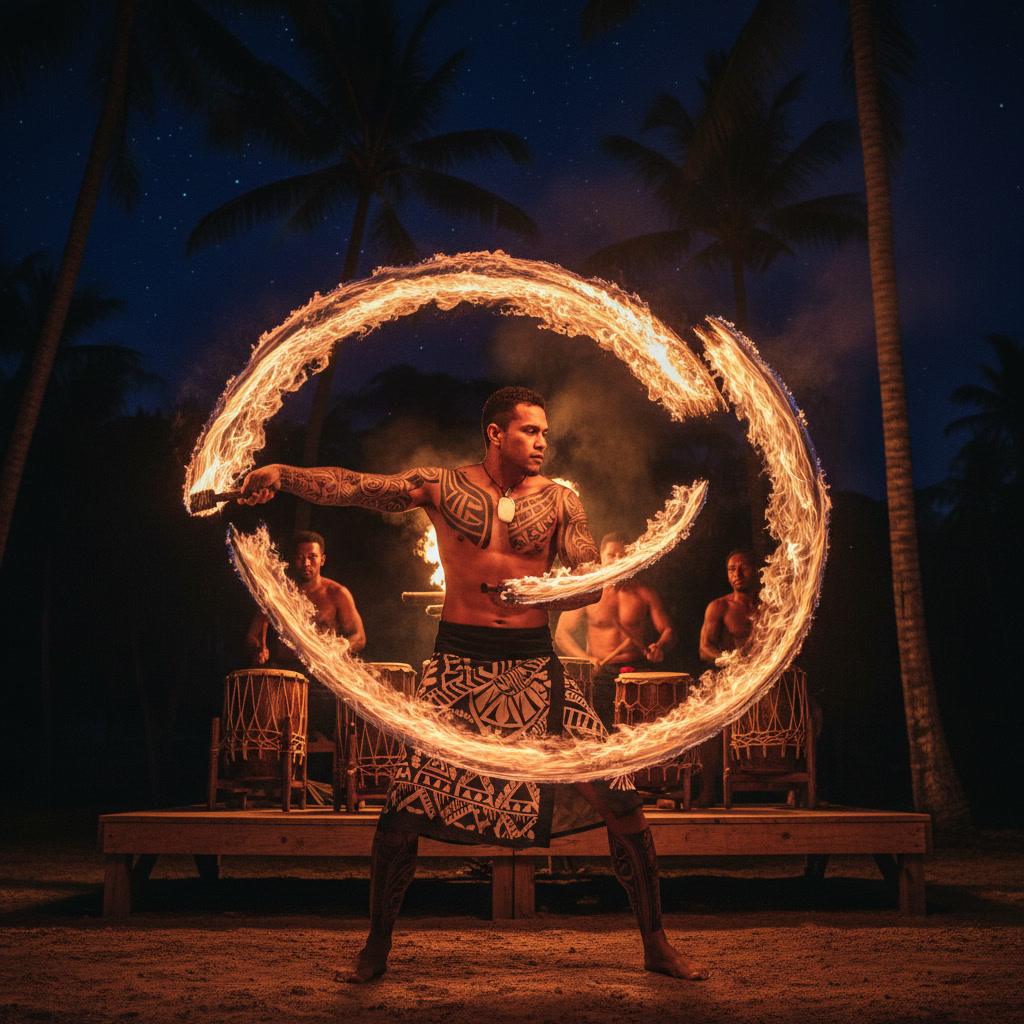
The sight of a flaming knife whirling just inches from a performer’s body is thrilling precisely because it looks dangerous. What audiences rarely see are the safety systems that make professional fire knife dancing possible. Responsible teams treat safety as a core part of the craft, not an afterthought. Groups like Mana Fire Knives build their shows on layers of preparation, equipment standards, and on-site protocols that protect both performers and spectators.
Building Safer Fire Knives
It starts with the tools. Historically, the fire knife was a machete wrapped in towels on both ends, soaked in fuel and then ignited for performances. Today, many professionals use custom-built knives or metal rods staffed with fireboards and wick material that are securely attached to the blade. Major competitions, such as the World Fireknife Championships, even specify that dancing knives must be made of hard metal with proper rivets and hooks, ensuring structural integrity under stress. Following similar standards in regular shows reduces the risk of a blade breaking or a burning wick coming loose mid-performance.
Fuel Handling and Flame Control
Fuel management is another critical area. Fire performers typically use fuels that burn with a consistent, predictable flame and avoid highly volatile substances that create uncontrolled flare-ups. Wicks are dipped for only a few seconds, and any excess fuel is carefully spun or blotted off before lighting to prevent dripping or ground fires. Fuel containers are kept at a safe distance from performance zones and sealed immediately after use, with clear separation between fueling, lighting, and dancing areas.
The Role of the Safety Spotter
A dedicated safety spotter is standard practice in professional fire arts. This person does not perform; instead, they watch the dancer, the audience, and the environment, ready with a fire blanket, damp towel, or extinguisher if something goes wrong. In the first moments of a burn, small flames sometimes appear on the ground or on the performer’s clothing from minor fuel transfer, and the spotter is trained to respond quickly and calmly. Clear communication between performer and spotter keeps everyone aligned throughout the routine.
Preparing the Performance Space
The performance space itself is also part of safety planning. Organizers ensure that the dance area is free of low-hanging decorations, dry foliage, or other flammable materials. Audiences are kept at a safe distance, and in some venues, fire performances are only allowed outdoors or in areas with adequate ventilation and fire suppression. Professional companies know how to adapt their choreography to suit different spaces, choosing tricks and movements appropriate to the venue’s size and conditions.
Training as the Foundation of Safety
Training is the glue that holds all of this together. New dancers practice with unlit props for a long time before ever touching fuel, learning how the knife spins, balances, and reacts to fast movements. They progress from brief, closely supervised burns to more complex routines as they prove they can manage the flame safely. Many also learn general fire safety principles—such as stop-drop-and-roll, burn treatment basics, and emergency procedures—to handle unexpected situations.
Professionalism and Respect for the Art
For a team like Mana Fire Knives, safety is part of professionalism and respect for the art. By approaching fire with humility and preparation, the group can perform intensely exciting routines without compromising the well-being of performers or guests. This commitment is especially important for events such as weddings, corporate gatherings, and community celebrations, where hosts want a memorable show without unnecessary risk.
Learning More About the Team
Event planners and audiences who want to know more about how a specific team handles safety should look beyond photos and videos. The Mana Fire Knives About page offers insight into the group’s experience, training, and values, showing that the same care that goes into safety also goes into honoring Samoan culture and delivering a professional show. Understanding who is behind the flames makes every safe, successful performance even more impressive.